Shell y el Campeonato Mundial de Resistencia
Shell ha regresado al Campeonato Mundial de Resistencia de la FIA (FIA WEC) como patrocinador oficial de combustible del Automobile Club de l'Ouest (ACO).
Una nueva generación de combustibles de competición Shell V-Power ha sido desarrollada en colaboración con el ACO, la FIA (Federación Internacional de Automovilismo) y los fabricantes competidores. Un mayor rendimiento y un menor consumo sientan las bases para el desarrollo de futuros modelos para uso en ruta.
Las 24 Horas de Le Mans y Shell
Las 24 Horas de Le Mans y Shell: una victoria sobre ruedas
Leer la transcripción
Leer la transcripción
0:09
the 24 Hours of LeMans over 90 years of
0:13
history and what started in 1923 as a
0:16
provincial road race designed to test
0:18
and improve the cars of the period that
0:20
has risen to the very pinnacle of
0:22
motorsport from disparate over
0:25
windshield wipers to turbo engines and
0:27
diesel power new technologies were
0:29
tested and all have proved their
0:32
performances in the toughest endurance
0:34
race in the world it's very very
0:38
important and you know the most
0:39
traditional part of endurance racing
0:45
lamont and shall have a very strong
0:48
partnership with with v-power diesel and
0:51
i remember the first one with v-power
0:53
diesel made out of GTL gets to liquid
0:56
technology 100% one Aleman race which
1:00
was the first ever but that technology
1:02
went into our v-power diesel technology
1:05
and clearly helping our consumers and
1:08
customers to get the most of their cars
1:10
this EHL has become the official fuel
1:14
partner for the FIA World Endurance in
1:17
Germany in Hamburg in chairs research
1:19
and Technology Centre here we do all the
1:21
fuels and lubricants development for the
1:23
world but especially also all the
1:25
motorsport so let's have a look inside
1:28
and we walk in there come with me
1:37
in the moment I started a long time ago
1:40
shell has been involved over decades
1:43
with different teams and we see some of
1:45
the examples over here through all the
1:48
famous wins we gained with Porsche with
1:52
mattre and then the Audi area so
1:55
therefore glad to be now the fused
1:57
partner for ACO moving ahead and
2:00
supplying all the race fuels or the
2:03
gasoline and all the diesel fuel to all
2:05
the teams in LeMond but also world
2:07
endurance challenge ship let which was
2:17
used as an octane enhancer is not
2:20
allowed anymore today because it damaged
2:23
the catalysts in our road cars so
2:26
therefore some components had to leave
2:28
the few other components came into the
2:30
fuels
2:31
therefore the fuels changed a lot over
2:33
the years and especially motorsport
2:46
now that we know more about the history
2:49
of shell and lamothe let's meet the
2:51
people that are behind us half of them
2:53
are canis half of anima engineers and
2:56
here we have lots of engines where we
2:58
test chemical laboratories but also the
3:01
fuels blending where we blend all the
3:03
motorsport fuels the race fuels for the
3:05
Lamont 24 were for all the teams so
3:08
every diesel car every petrol car
3:11
gasoline car will be filled with these
3:13
ratios we do here
3:16
diesel or gasoline we know that all the
3:19
fuels are not the same but why basically
3:22
what is fuel
3:31
all fuels are produced from refinery
3:35
components that means from crude oil
3:36
then refined and then the different
3:39
components in the refinery we mix them
3:41
together exactly to the right
3:43
specification which is for the race
3:46
fuels also defined by FIA ACO but
3:50
especially very important for endurance
3:51
races the energy content per volume per
3:55
litre you refuel in the race car
3:58
now the latest trends in motorsport are
4:01
all about energy efficiency and
4:03
performance important in terms of energy
4:10
efficiency is to get the right
4:12
combination between fuels and the engine
4:14
it's nowadays you can bring in if it's
4:18
Formula One or endurance racing you can
4:20
only win if the energy efficiency versus
4:23
performance challenge is right you need
4:27
to get this right
4:28
and that's why they
4:31
already achieved a huge amount in the
4:34
more shell an Audi developed the first
4:36
ever diesel racing car to win the moth
4:39
in 2006 and they repeated it in 2007 and
4:44
wait 2006 was there was a great great
4:49
achievement when first time ever a
4:51
professional diesel technology one limo
4:54
and it's a success Stinson and it was
4:57
possible because of the right fuel from
4:59
shell together with the right engine
5:01
designer and companies behind like Oddie
5:03
and of course they'd the trust of
5:06
organization like the ACO it was a
5:08
success it changed motorsport history
5:15
the challenge is always the same that
5:18
you have to make a reliable and a
5:19
competitive engine and this always
5:23
requires a lot of development work very
5:25
proper long distance tests urine tests
5:28
on a test bench and in the car and so
5:31
the challenge didn't change from the
5:33
first time in 2006 and to now this year
5:38
at the mall there fifty three gasoline
5:40
entries against the three diesel powered
5:42
out of the LM p1 cars
5:53
fuel is one of the key areas of the new
5:56
regulations in 2014 the entrants have to
5:59
reduce their consumption by up to 30%
6:01
they all have the same supplier to
6:04
achieve this goal whether it is a
6:05
question of gasoline or diesel power
6:08
units 30% reduction without compromising
6:18
performance of the cars that's not easy
6:21
to achieve and fuel regarding fuel
6:23
quality and fuel components is one
6:25
element but also few properties in order
6:27
to enable new engine design it's the
6:30
second element and of course a natural
6:32
recovery is very important to to really
6:35
come to an efficiency figure of minus
6:37
30% we can say the race is on the
6:58
targets have been achieved and the
7:00
result is really what we expected it's
7:08
always important to every reliable
7:11
engine if you just make it for one hour
7:13
efficient it's not the target to win
7:15
limo and so it was as every developments
7:20
that we are doing a challenge to do it
7:22
in the time and I'm pretty sure that we
7:25
will continue to work in this direction
7:36
the difficult it is to maximize the
7:39
usable energy you get out of that field
7:42
so basically to maximize efficiency so
7:45
the whole development program is all
7:48
centered around maximize efficiency of
7:51
the engine and there you look for
7:53
friction you look for combustion
7:54
efficiency to thermodynamic efficiency
7:56
everything you do is all about
7:58
efficiency fifty six cars will take part
8:01
in this 82nd l'amour twenty four hours
8:08
not a few developments from shell and
8:10
then given to manufacturers no it's it's
8:12
a combination of what does your new
8:15
engine design it and we will make it
8:17
possible if it makes sense and if it is
8:19
Road relevant for the future as well in
8:23
2014 who is in La Sarthe and who will
8:26
make the most of these new challenging
8:29
rules at the official supplier of the
8:35
WEC and the live on 24 hours shell
8:37
supports the race teams on site with
8:40
attract side laboratory it allows both
8:42
officials and teams to access the live
8:45
data and analyze all of the lubricant
8:47
usage difficult tasks to produce a fuel
8:53
which sets satisfies very different
8:56
requirements for too much or changing
8:58
important for the naturally aspirated
8:59
engine and that's why it was difficult
9:04
but also important to find a good
9:07
compromise which satisfies these
9:09
different requirements after more than
9:12
90 years of endurance racing history
9:14
shares customers take advantage of these
9:16
ongoing innovation and development smog
9:19
fuels technology this is present today
9:22
for what does the future hold
9:25
when we look into electricity for the
9:28
future or hydrogen is ultimately maybe
9:31
the cleanest fuels for the future so
9:33
motorsport is fast very important but
9:35
also to see this involvement in
9:37
evolvement of future fuels future
9:41
engines for sustainable cleaner mobility
9:48
certainly gonna be staying in Formula
9:51
One and NASCAR in IndyCar in MotoGP are
9:54
now in the WEC championship so you can
9:57
see it's a it's an ever widening
9:58
opportunity for us we're very privileged
10:01
that we can be the supplier of WEC and a
10:04
limo race this year
10:05
LeMond is a magical race a sprint over
10:09
24 hours and it's time to write the new
10:12
chapter
10:20
you
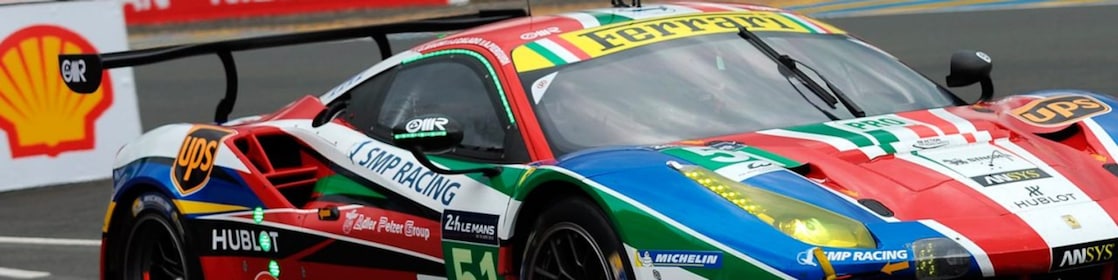
El evento más destacado de la temporada es la legendaria competición de las 24 Horas de Le Mans, una de las citas deportivas anuales más importantes del mundo. No obstante, el resto del Campeonato Mundial de Resistencia (WEC) de la FIA (Federación Internacional de Automovilismo) no es menos trascendental: una serie de carreras de 6 horas que se disputan desde Europa hasta Oriente Medio, Asia y los EE.UU.
Los combustibles de competición Shell V-Power, desarrollados para la temporada de 2014 con el fin de ayudar a los fabricantes competidores (Audi, Porsche y Toyota), permiten reducir el consumo en un 30%. El trabajo conjunto realizado para alcanzar este objetivo y el desarrollo continuo en marcha han permitido a todos los competidores beneficiarse de los combustibles de competición Shell V-Power, que proporcionan una combinación de velocidad y sostenibilidad más espectacular que nunca.
- Carrera día y noche: las 24 Horas de Le Mans son el evento cronometrado más famoso del automovilismo.
- Los científicos de Shell y los equipos competidores colaboran para crear un espectáculo deportivo que aporte beneficios reales a la próxima generación de tecnología del motor.
- La diversidad es la clave, ya que tanto las tecnologías de combustible como las de diésel se dan a conocer en un campo que alberga tanto prototipos deportivos "de raza" como autos Gran Turismo fabricados en serie.